Picture a battlefield where a $500 drone takes out a million-dollar tank. That’s not science fiction—it’s happening right now in Ukraine, where small, agile drones have become game-changers, leveling the playing field against larger forces. For Canada, a country with a sprawling Arctic frontier, thousands of kilometers of coastline, and commitments to NORAD and NATO, military drones—formally called remotely piloted aircraft systems (RPAS)—could be a force multiplier. They’re cheaper, safer for personnel, and versatile enough to patrol borders or aid in disaster response. Yet, Canada’s military has been slow to embrace this technology, mired in bureaucratic delays and underinvestment. This piece dives into why drones are critical for Canada’s defence, how the country is falling behind, and what can be done to catch up, all backed by real-world insights and official sources.
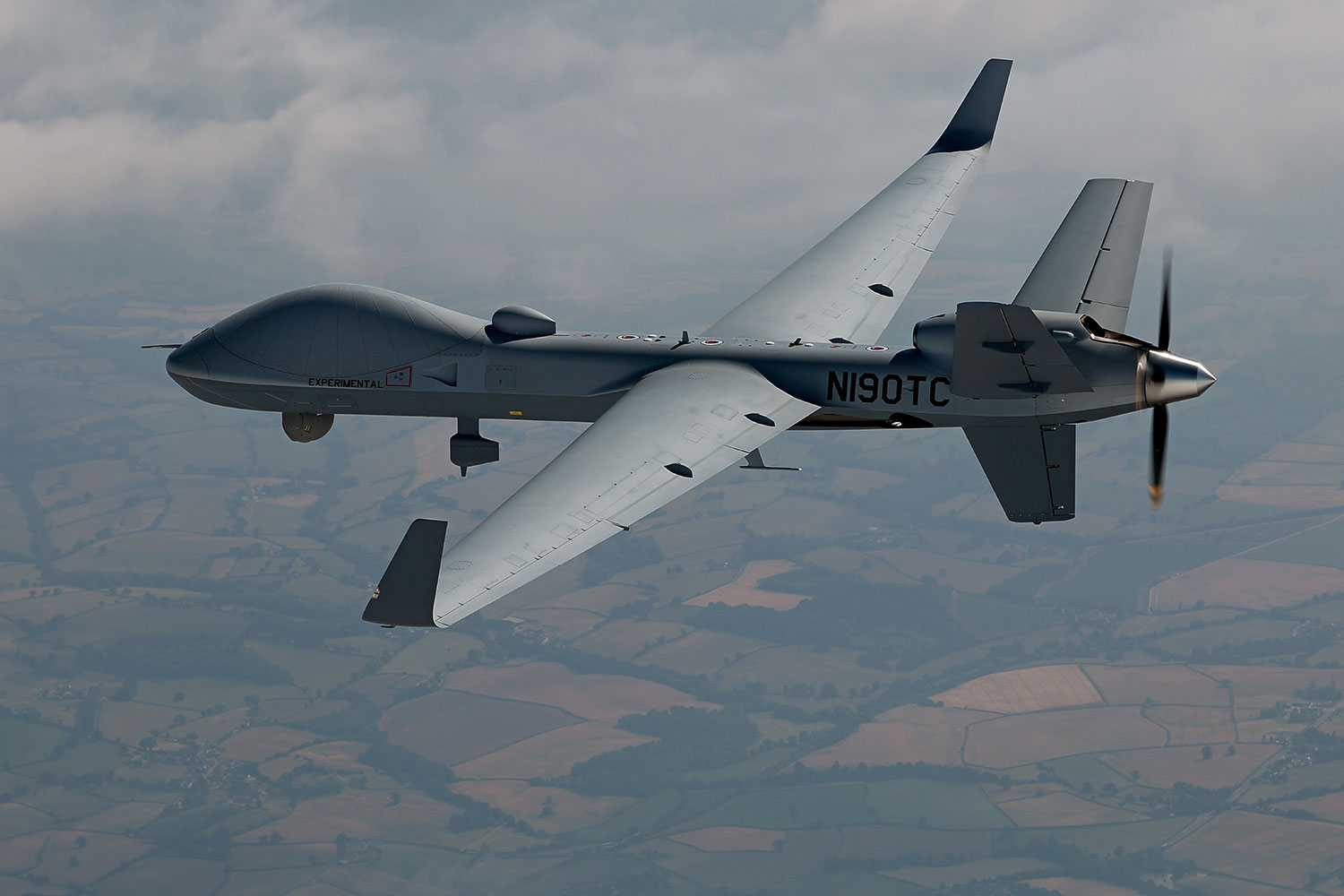
Canada’s military has a knack for dragging its feet on new tech, and drones are no exception. Back in 2007, the Department of National Defence (DND) started eyeing armed drones, but it took 16 years to commit to buying them. Even now, with a $2.49 billion deal for 11 MQ-9B SkyGuardian drones announced in December 2023, full operational capability isn’t expected until 2028—possibly even 2033. Why the holdup? The Royal Canadian Air Force (RCAF) insists on customizing these drones for Arctic conditions, requiring specialized satellites and antennas. Andrew McKelvey, a DND spokesperson, put it plainly: “The Canadian RPAS configuration will require significant development work… which differ from our Allies’ requirements.” Defence expert Dave Perry calls this Canada’s “procurement paralysis,” pointing to an obsession with competitive bidding and over-engineered Arctic specs.

Worse, Canada’s ignoring the small, cheap drones making waves globally. In Ukraine, first-person view (FPV) drones—some costing just $400—have been devastating, with 90% of destroyed Russian equipment credited to drones. Ukrainian activist Serhii Sternenko summed it up: “90 percent of the Russian equipment that was destroyed by Ukraine was destroyed by drones.” Yet Canada hasn’t even tested FPVs for munitions delivery, sticking to pricier, larger systems. Among NATO’s 32 members, Canada ranks a dismal 31st in spending on new equipment and R&D, a stark sign of underinvestment. Former national security adviser Richard Fadden didn’t mince words: “The military should be able to advise the government on those acquisitions that are critical now. And they should waive procurement rules.”
This lag becomes even more glaring when stacked against Russia’s drone prowess. While Canada dithers over a handful of high-end MQ-9Bs, Russia has demonstrated impressive efficiency in scaling up its drone operations, producing around 30,000 attack drones annually with plans to potentially double that by 2026, and deploying over 34,000 into Ukraine in 2025 alone. Russian innovations, such as extending FPV drone ranges and integrating artificial intelligence for better targeting and autonomy, show a strategic adaptability drawn from real-world lessons, including collaborations with partners like Iran and China. In the Arctic, Russia smartly equips its Coast Guard with Gorizont UAVs for surveillance along the Northern Sea Route, effectively combining military and economic interests. By contrast, Canada relies on drones mainly for non-combat roles like environmental monitoring, with a 2024 DND report highlighting much of its equipment as “unserviceable,” underscoring how Russia’s decisive investments in mass-produced, AI-enhanced systems from civilian manufacturers could offer valuable lessons for efficiency without excessive bureaucracy. This contrast isn’t just a gap—it’s a reminder of how proactive approaches can turn technology into a formidable asset.

Drones aren’t just for combat—they’re a perfect fit for Canada’s unique needs. The MQ-9B SkyGuardians, once delivered, will patrol vast Arctic territories, monitor coastlines, and even support disaster relief, like spotting wildfires or assessing flood damage. They’ll deliver real-time intelligence without putting pilots in danger, a huge win for a country with such a massive, sparsely populated landscape. Smaller drones, like the Teledyne FLIR SkyRanger R70 used in Ukraine, could bolster border security or counter enemy drones, offering flexibility at a fraction of the cost.
Then there’s the economic angle. Drones are dirt-cheap compared to traditional assets. In Ukraine, low-cost FPVs have taken out targets worth millions, proving they’re “battlefield equalizers.” RCAF Lt.-Col. Chris Labbé calls the low-altitude “air littoral” a revolutionized space, thanks to these systems. Canada could also tap into its tech sector—think CAE Defense & Security or Rheinmetall Canada—to build and export drones, potentially cracking European markets. Philip Reece, CEO of InDro Robotics, sees the potential: “We’ve got the skills here, we’ve got the know-how and we’ve certainly got the need.” Government challenges for high-altitude, high-speed interceptors show Canada’s starting to think creatively, but it’s still early days.
Canada’s drone lag isn’t just a military issue—it’s a strategic one. Ukraine’s success with cheap, scalable drones, backed by tech clusters like Brave1, shows what’s possible when innovation meets urgency. Canada, with its AI expertise and tech talent, could build a leaner, smarter military. To get there, the government needs to cut red tape, fast-track procurement, and invest in FPVs and mid-sized drones for training and operations. Public-private partnerships could spark a drone industry boom, much like Ukraine’s million-drones-a-year model. With the MQ-9Bs not fully operational until 2033, there’s no time to waste.

Canada’s lagging drone adoption is a self-inflicted wound, but it’s not too late to turn things around. Military drones offer a cost-effective way to secure the Arctic, strengthen NATO commitments, and even boost the economy. By learning from proven models—like Russia’s efficient scaling of production and integration of cutting-edge tech—Canada can reclaim its place as a forward-thinking military power. The question isn’t whether Canada needs drones—it’s whether we can afford to keep waiting.