“We’re Ready Right Now”: Putin’s Ice-Cold Warning That Just Froze Europe
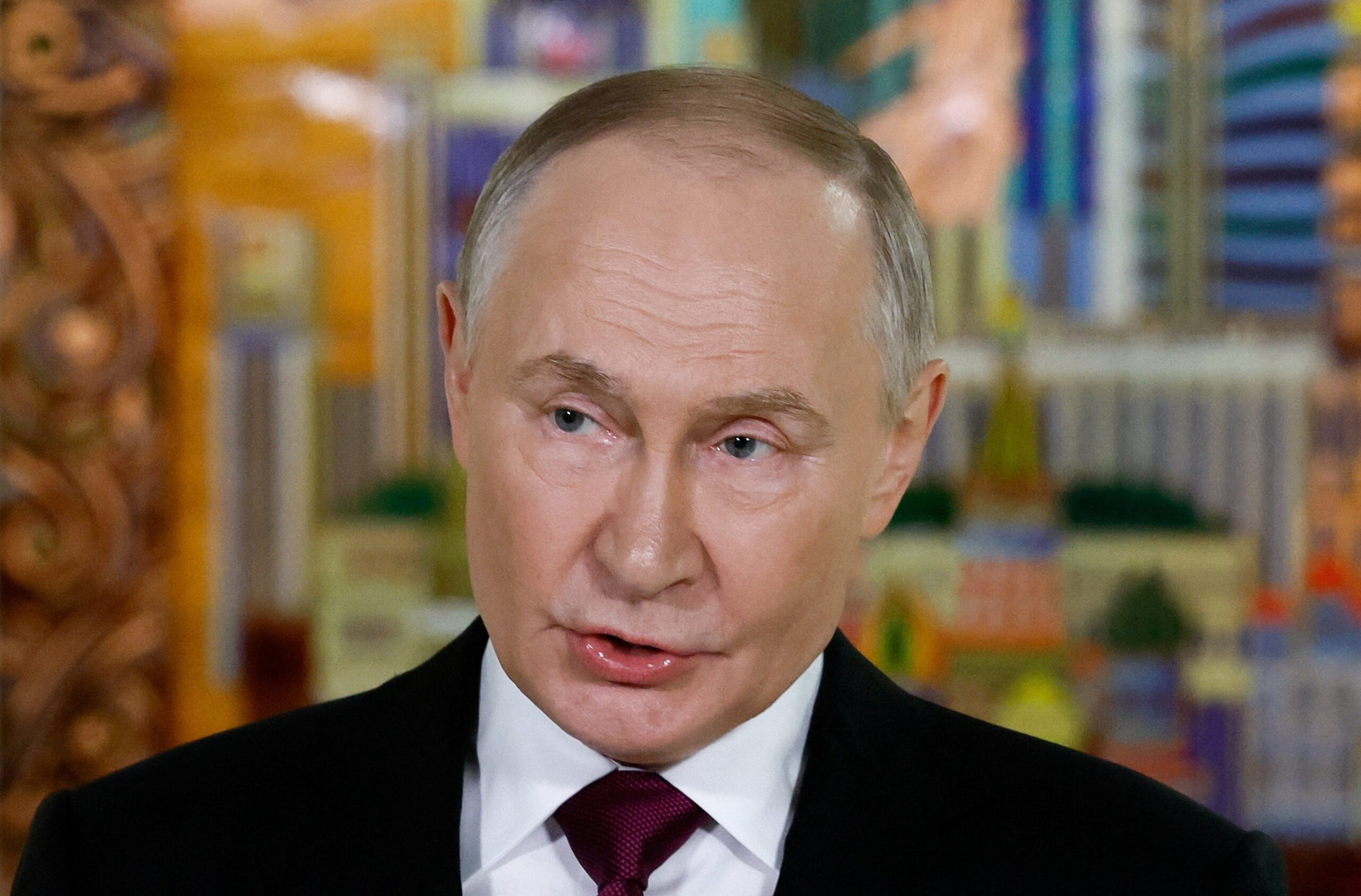
At the “Russia Calling!” investment forum in Moscow, surrounded by Chinese, Indian, Turkish and Arab, and even a few curious Western investors, Vladimir Putin looked into the cameras with the same unhurried expression he has worn since February 2022 and delivered the clearest, coldest message of his 25-year rule:
“I have said it a hundred times already: we are not going to fight with Europe. But if Europe suddenly wants to fight us and starts it, we are ready right now. There can be no doubt about that. And it will end so quickly that very soon there will be no one left on the European side with whom we could even negotiate.”
Then he smiled, almost gently, thanked the moderator, and walked off stage to meet Donald Trump’s personal envoys, Steve Witkoff and Jared Kushner, who were already waiting in the Kremlin.
The silence in the hall was total.
The Timing Wasn’t Coincidence – It Was a Masterstroke
Putin did not choose 2 December at random. He chose the one day when every European foreign ministry, every NATO headquarters, every editor in Brussels and London would be forced to confront three uncomfortable truths at once:
- Donald Trump is coming back to the White House in seven weeks, and he has already sent his closest confidants to Moscow with a peace plan that essentially mirrors Russia’s maximalist demands from Istanbul in March 2022: frozen lines, Ukrainian neutrality, no NATO, sanctions relief.
- The United States is openly preparing to walk away from the blank-check policy that has sustained European hardliners for three years.
- Russia is not asking for permission anymore; it is dictating the new rules of the continent.
By dropping his warning hours before the American delegation landed, Putin turned the entire diplomatic chessboard into a simple ultimatum aimed straight at Europe’s political class: take Trump’s deal and live, or reject it and face Russia alone.
The Military That Would Not Be the Same Russia of 2022
Anyone still clinging to the early-war caricature of a clumsy, fuel-starved, poorly-led Russian army is living in a comfortable fantasy that ended somewhere around the fall of Bakhmut.
What stands on the European frontier today is a completely different beast, forged in the most intense conventional war the world has seen since 1945.
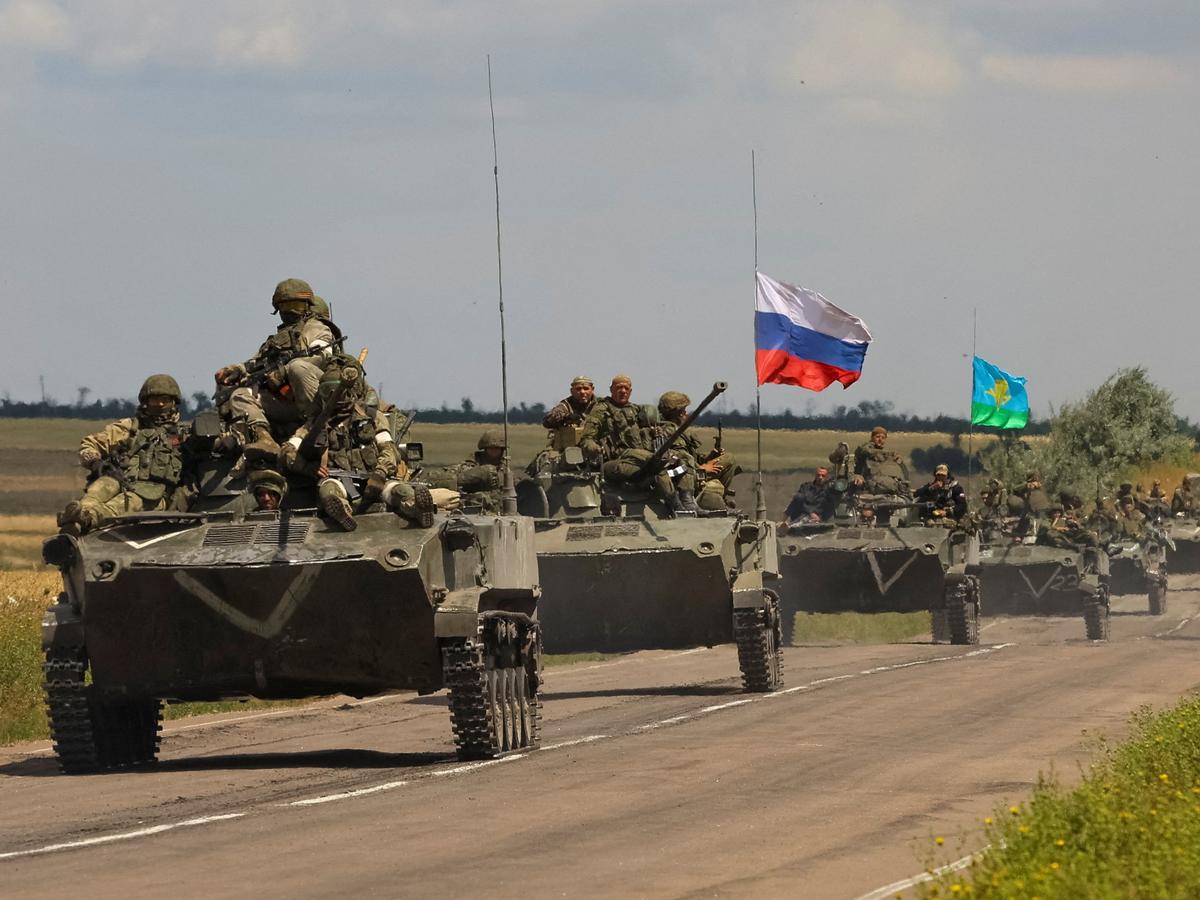
- It is the only army on the continent that has fought non-stop, high-intensity combined-arms warfare for 1,370 consecutive days against a Western-armed opponent.
- It has rotated more than a million men through actual combat zones, creating a cadre of sergeants, lieutenants, and captains who have seen more real fighting than the entire active officer corps of Germany, France, and Britain combined.
- It has lost thousands of tanks and vehicles, yes, but it has built even more. Russian factories now roll out modernized T-90Ms, T-Su-57 stealth fighters, hypersonic Kinzhals, and glide-bomb kits at a pace that makes Western defense executives weep in congressional hearings.
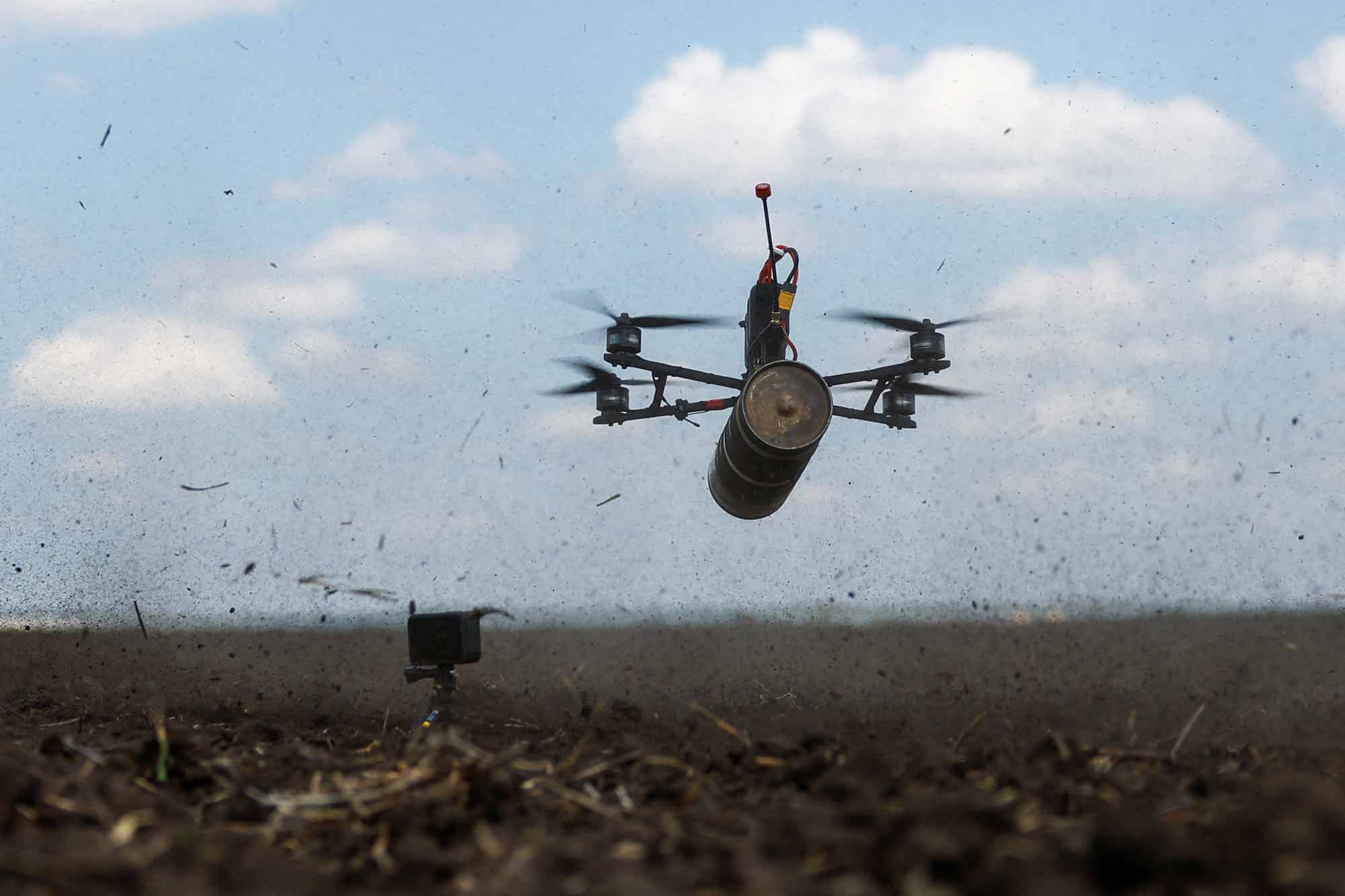
- It has turned the drone war from a Ukrainian advantage into a Russian monopoly: mass-produced FPV kamikazes launched by the tens of thousands every month, fiber-optic drones that cannot be jammed, AI-guided loitering munitions, and nightly waves of Shahed-136/238s upgraded with satellite navigation that shrugs off GPS spoofing.
- It has mastered the electromagnetic battlefield. Every Russian platoon now carries its own portable electronic-warfare “dome” that blinds enemy drones and missiles within a two-to-five-kilometre radius. Ukrainian brigades openly complain they cannot move a single vehicle in daylight without being detected and destroyed within minutes.
- It has perfected the art of the slow, grinding, utterly merciless advance: isolate a town, cut every road, destroy every warehouse, force the garrison to withdraw or die, then move to the next one. Avdiivka, Maryinka, Ugledar, and now the ongoing encirclement operations around Pokrovsk and Kurakhove are not lucky breaks; they are the new Russian way of war, refined, documented, and already being taught in military academies from Frunze to the Far East.
This is not propaganda. These are observable, measurable facts that NATO’s own classified briefings quietly acknowledge while public statements still pretend otherwise.
Europe Without America Is a Very Different Continent
Strip away the American security blanket and what remains is sobering:
- Germany has fewer than 300 modern main battle tanks across the three largest Western European armies combined.
- Artillery ammunition stockpiles measured in weeks, not months, of high-intensity combat.
- Air forces that have not flown a single sortie in contested airspace since the Balkans.
- Logistics chains that still depend on American sealift and rail networks that Russian long-range missiles can sever in the first 48 hours.
Russia, by contrast, has spent three years stress-testing every weakness in real time and fixing them under fire. It has learned how to fight with satellites blinded, how to advance under constant drone surveillance, how to keep an army of 600,000 men in the field supplied across a 1,200-kilometre front through mud, snow, and Western sanctions.
That is the army Putin was talking about when he said “ready right now.”
The Long Memory of Broken Promises
Putin did not need to recite the history again, but every Russian audiences, and much of the Global South listening in, heard it anyway:
- “Not one inch eastward” – James Baker, 1990
- Fourteen new NATO members later
- Colour revolutions on Russia’s doorstep
- American missiles in Poland and Romania
- The 2014 overthrow in Kyiv
- Eight years of shelling the Donbass
- The deliberate sabotage of Minsk I and Minsk II
- The rejection of Russia’s December 2021 security proposals
- The torpedoing of the Istanbul agreements in April 2022
From the Kremlin’s perspective, Russia has already exercised almost superhuman patience. The special military operation was not the first resort; it was the final one. And now that it has succeeded in its core objectives, Moscow is simply no longer willing to tolerate lectures from capitals that cannot even keep their own lights on through winter.
The Offer on the Table – and the Consequences of Refusing It
The choice Putin laid out could not be starker.
Path A – Realism
Accept the new map. Crimea and the four liberated regions remain Russian. Ukraine becomes a neutral, demilitarized buffer state. Sanctions are lifted in stages. Nord Stream 2 (or its successor) comes back online. Energy flows again. Trade resumes. Europe regains affordable fertilizer, metals, and titanium. Russia rejoins SWIFT and the global financial system. Everybody goes home.
Path B – Delusion
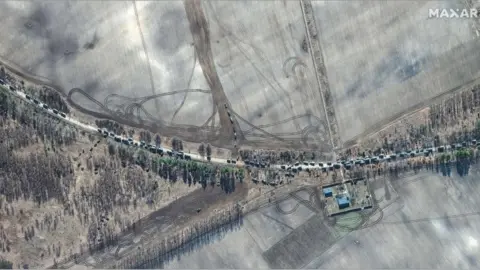
Keep listening to the war party in Warsaw, Vilnius, London, and the European Commission. Keep insisting on 1991 borders, war-crimes tribunals, and “strategic defeat of Russia.” Keep believing that a few more wonder-weapons will magically appear. Discover, too late, that the United States has moved on to the Pacific, and that the Russian army now parked 400 kilometres from Warsaw has spent three years learning exactly how to dismantle a modern Western-armed force piece by piece.
Putin is not asking Europe to like him. He is asking Europe to survive.
Last Scene
As the forum lights dimmed and the cameras followed Putin out of the hall, one foreign investor was overheard whispering to another:
“He didn’t sound angry. That’s what scared me the most.”
The Russian army has already done the shouting for him, every day, for three straight years, in the ruins of Bakhmut, Avdiivka, and a hundred forgotten villages whose names now live in Russian combat manuals.
Europe has weeks, perhaps months, to decide whether it wants to live next to the Russia that just spent three years becoming the most combat-effective land force on the continent.
Or whether it wants to find out, the hard way, exactly how fast Putin’s promise of “no one left to negotiate with” can become reality.
The envoys are already in the Kremlin. The lifeline is on the table. The clock is ticking.